


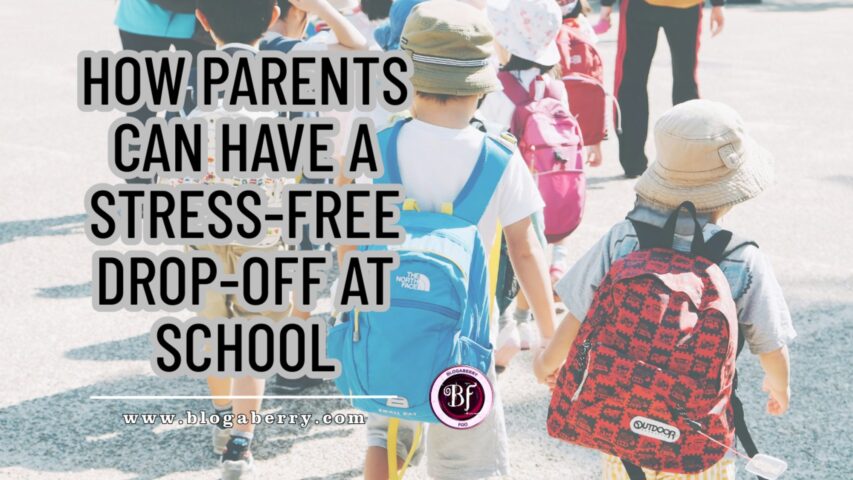
Dropping your kid off at school can feel like a chaotic way to start the day. According to ADAA (Anxiety and Depression Association of America), the beginning of the school year brings a wave of new routines, classmates, and teachers. While the return to school can spark excitement and anticipation, many students also face worries and fears that go beyond just the typical first-day jitters.
In such a situation, you might be hurrying through the morning routine, double-checking that lunches get packed, and everyone is out the door on time. The traffic, the endless lines of cars, and the crowded hallways can increase your stress. It makes the morning feel more like a struggle than an easy start.
Mornings don’t have to be a whirlwind for parents. With a bit of planning, you can create a routine that feels both peaceful and organized. It is a wonderful opportunity to bond with your child, share a joyful moment, and send them off with a boost of confidence.
This article discusses strategies to turn school drop-offs into a smooth and even delightful experience.
One of the easiest ways to make school drop-off a breeze is to leave on time. When you carve out a few extra minutes in the morning, you can skip the frantic rush and the anxiety that comes with being late. It allows you to help your child gather their belongings and enjoy quality time together before parting ways. We keep alarms so we know when to leave the house and walk/drive leisurely to our destination. Being on time helps reduce stress and creates a positive atmosphere for the day ahead.
The best thing is that the schools are deciding the morning timings that are convenient for the students.
The National Center for Education Statistics states that, to help students get enough rest, many middle and high schools are now starting at 8:30 a.m. or later. The typical start time for public high schools is around 8:00 a.m. In fact, 40 percent of schools began their day between 8:00 a.m. and 8:29 a.m.
When you leave on time, it gives you the flexibility to tackle any surprises that may arise. It may include getting stuck in traffic or realizing you forgot lunch, without stressing out. This way, you can handle the drop-off with a relaxed attitude and teach your child that mornings can be both manageable and even pleasant.
A steady morning routine can turn school drop-offs into a much calmer and more predictable experience. When you repeat the same steps each day, your child starts to know what to expect, which makes them feel more secure.
Consistency is key to modeling a calm and positive attitude, which your child will naturally absorb. You can set a routine that involves waking up at the same time, having breakfast together, and packing bags neatly. This kind of consistency can help minimize any last-minute stress and confusion.
When you both know the rhythm of your mornings, you can breeze through tasks without constant reminders or squabbles. Over time, a reliable routine builds a sense of stability and confidence, making drop-offs feel less hectic and more enjoyable. Your mornings can evolve into moments of connection rather than stress.
Embracing defensive driving is a crucial step towards making school drop-offs less stressful. When you pay attention to driving carefully and think ahead about what other drivers might do, you can avoid accidents and keep your stress levels down. You foster a calmer environment for both you and your child by prioritizing safety instead of rushing.
Even if you’re driving safely, accidents can still happen due to someone else’s negligence. For instance, according to The Fayetteville Observer, Fayetteville’s roads have become riskier this year, with speeding responsible for twice as many deaths. If you find yourself in a collision caused by another driver, you may feel overwhelmed about what to do next.
That’s where a Fayetteville car accident attorney comes in. They can help victims understand their rights and fight to ensure they get the compensation they deserve for their injuries and losses.
According to the Keith Law Group, a car accident can turn your world upside down, bringing not just physical injuries but also emotional scars. So, defensive driving is essential and a great way to set a positive example for your child. They get to see your patience, attentiveness, and caution in action, which helps them grasp the importance of always being safe on the road.
Positive reinforcement can transform school drop-offs into a much more enjoyable experience. As noted by Parents, positive reinforcement is one of the most powerful tools parents can use to shape their children’s behavior. It can help kids develop good habits, like sharing and following directions. The key is to notice and reward the good behaviors you want to encourage in your child.
When you commend your little one for being ready on time or following the morning routine, you help them boost their self-esteem. A few encouraging words, a friendly smile, or a small gesture to acknowledge their efforts can make a difference. This supportive environment helps turn the hectic mornings into something more pleasant.
Using positive reinforcement can encourage your child to head to school with enthusiasm and a feeling of success. When they know they’re valued and motivated, they tend to be more cooperative during drop-off. You help establish a positive routine and a peaceful start to the day by consistently acknowledging their hard work.

If your child is crying at drop-off, it could be due to feelings of anxiety, uncertainty, or sadness about leaving you. Separation can be challenging, particularly if they’re adapting to a new routine, new teachers, or social dynamics. Offering reassurance, maintaining consistency, and calmly saying goodbye can help them feel more secure and confident.
Separation anxiety tends to peak between the ages of two and four. During this time, kids are starting to assert their independence, yet they still depend on their parents for comfort and security. Even a short separation can spark feelings of fear or distress in them. Sticking to consistent routines and offering gentle reassurance can help them feel more secure and gradually reduce their anxiety.
At daycare, there are certain red flags you should be aware of. Frequent injuries, poor hygiene, and dirty facilities can all be warning signs. Pay attention to the staff, too, in situations where they don’t stick to routines or are overly harsh with the kids. Also, if your child suddenly exhibits fear, it could indicate that the environment isn’t safe or nurturing, and it may require your attention.
You can definitely create a stress-free school drop-off by focusing on staying calm and present. Your calm energy sets the tone for your child’s day. You can transform the hectic mornings into smooth, supportive experiences by approaching drop-offs with understanding and planning. It leaves both you and your child ready to tackle the day ahead.
How many months were you stressed with drop-offs? Tell us your story.
READ MORE: 10 SIMPLE ACTIVITIES TO CREATE MEMORIES AND BOND WITH KIDS
Photo by note thanun on Unsplash